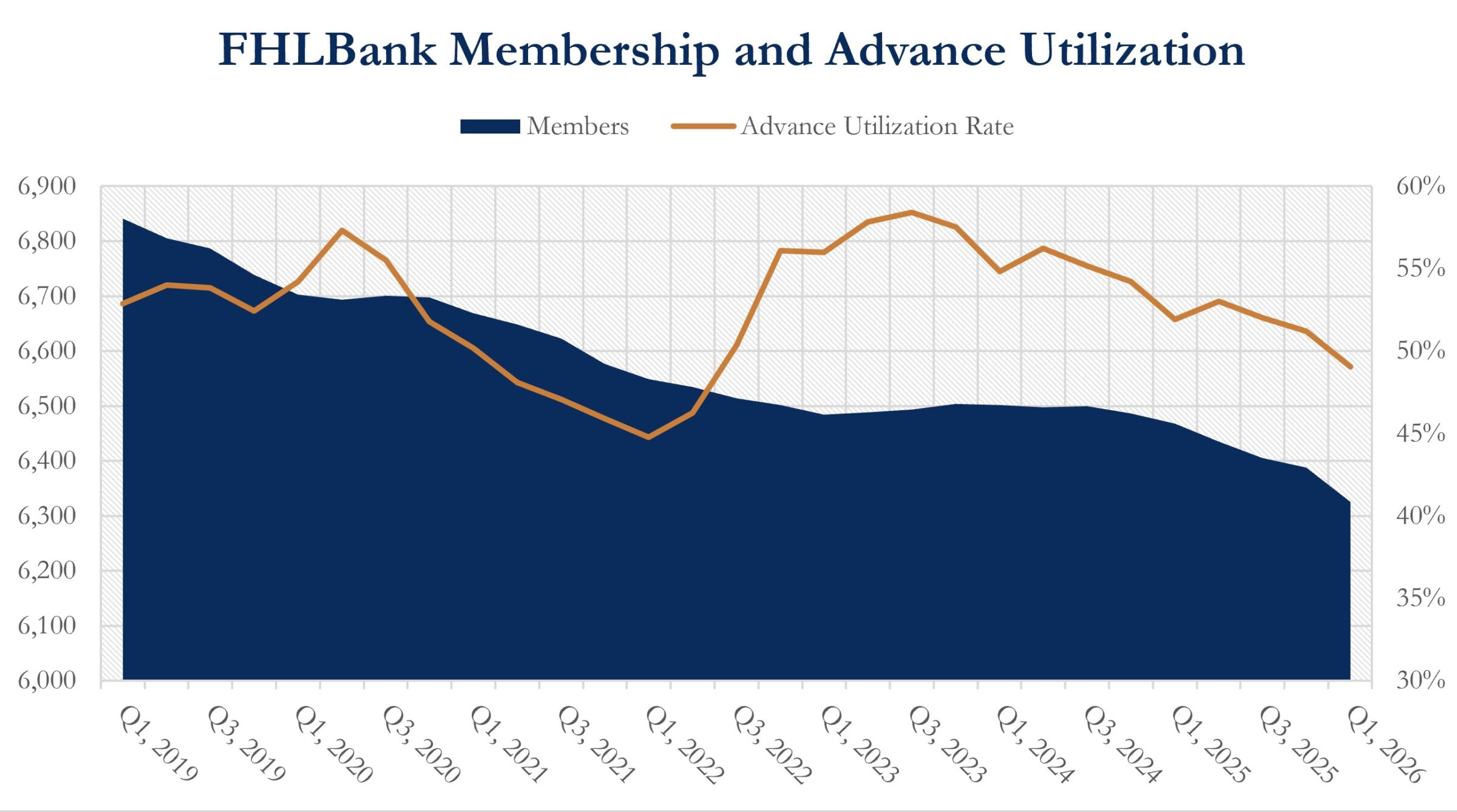

An advance is a secured loan that allows member banks, credit unions, insurance companies and community development financial institutions to convert housing-related assets into readily available funding.
Members pledge eligible collateral, most commonly residential mortgage loans, to their FHLBank and receive in exchange funding that can fuel lending, community empowerment and continued flow of credit through the economy..
There are a variety of advance products, including:
- Fixed-rate advances
- Variable-rate advances
- Hybrid-advances
- Convertible advances
- Amortizing advances
- Overnight advances.
Fixed rate advances typically make up more than half by product type and maturities range from overnight to 30 years. The FHLBanks cap the amount of advance credit available to each member at between 20 and 60 percent of the member’s total assets, with some exceptions available depending on member creditworthiness.
Under existing laws and regulations, all FHLBank members have access to advances subject to the same statutory and policy framework. Advance availability and terms are determined by factors such as collateral, member financial condition, and applicable risk-management standards, and FHLBanks are expected to administer their advance programs consistently and without undue preferential treatment among members.
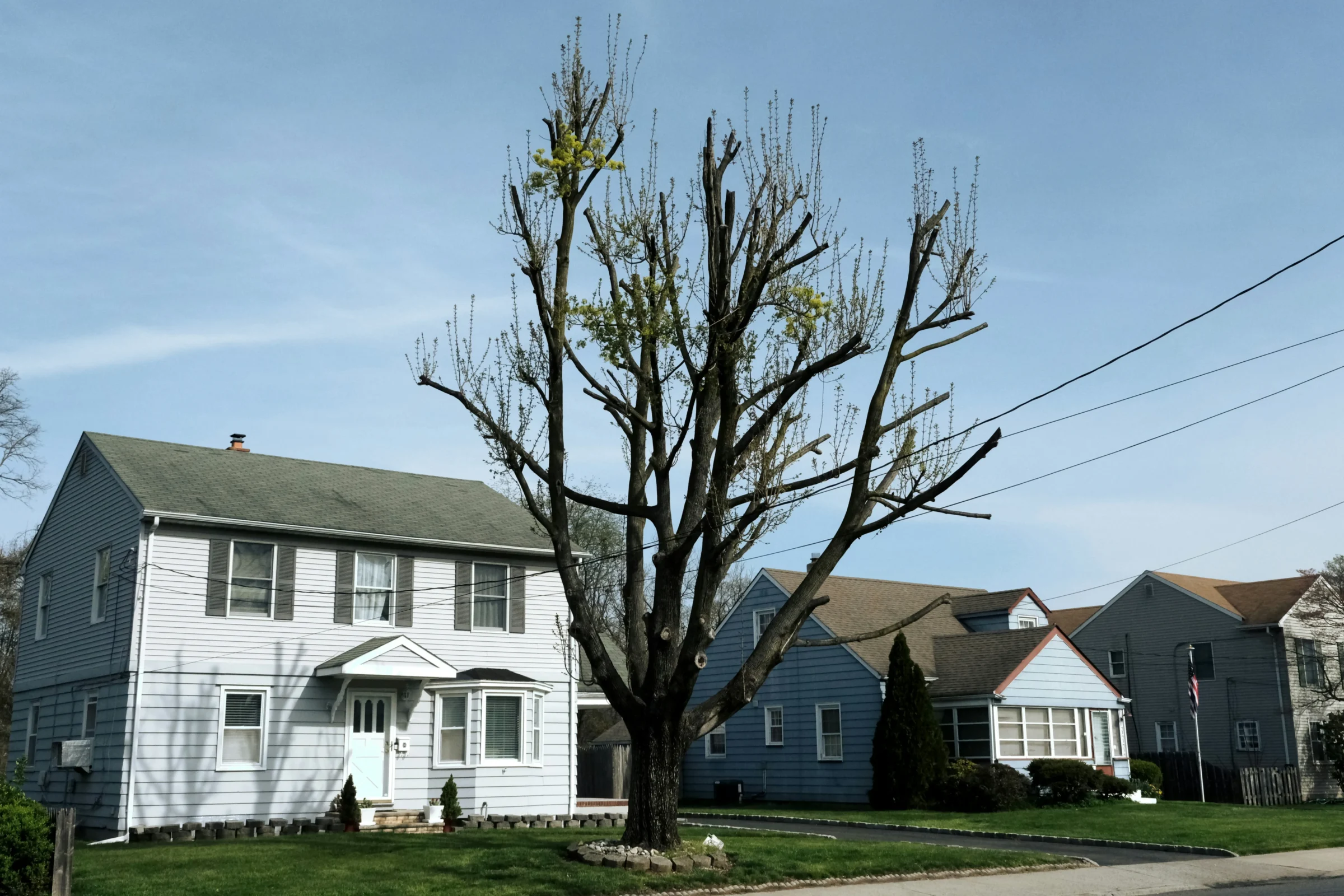
By law, FHLBank advances must be fully secured by eligible collateral pledged by members. The overwhelming majority of collateral pledged to the FHLBanks consists of residential mortgages, mortgage-backed securities, home equity loans and lines of credit, and other housing-related assets.. Community financial institution members may also pledge small business loans, small farm loans, small agribusiness loans, and community development loans as collateral.
When a member pledges collateral to an FHLBank, the FHLBank applies a collateral discount, or “haircut,” to account for factors such as potential liquidation costs, market volatility, credit risk, and other risks that could affect the collateral’s value. As a result, members generally pledge collateral with a market value greater than the amount borrowed, ensuring advances remain overcollateralized.
The FHLBanks have never suffered a loss on a collateralized advance to a member, and they retain priority lien and substantial collateral against advances.